


Those Barren Leaves
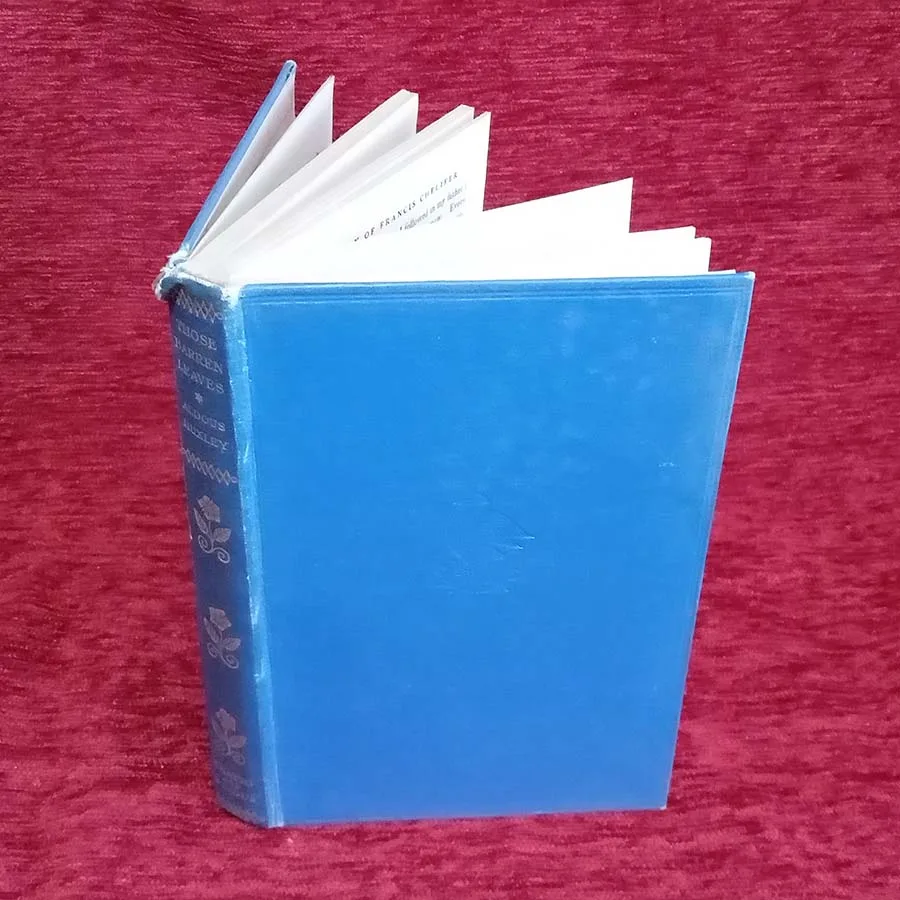
Publisher: Chatto and Windus
Format: Hardback
ISBN: none
Before Brave New World turned him into the philosophical prophet of dystopia, Aldous Huxley spent a good deal of time politely but mercilessly dismantling the cultural pretensions of the 1920s. One particularly elegant example of this literary sport is Those Barren Leaves, here presented in a neat little 1928 edition from Chatto & Windus.
The novel itself is essentially a gathering of artists, intellectuals, and assorted clever people at a grand Italian palazzo — which sounds promising until you realise that Huxley’s real interest lies not in the scenery but in quietly demonstrating that most of the assembled guests are, despite their education and impressive vocabulary, profoundly ridiculous. What follows is a sort of philosophical house party in which everyone talks brilliantly, thinks deeply, and accomplishes almost nothing. If this sounds suspiciously like modern cultural life, that may not be entirely accidental.
Huxley had a particular gift for observing the behaviour of intelligent people when confronted with the terrifying possibility that life might actually require purpose. His characters debate art, morality, civilisation and the meaning of existence with admirable fluency while drifting gently toward the conclusion that they are mostly wasting their time. It is satire with a velvet glove: elegant, witty, and occasionally devastating.
This copy comes from the late-1920s heyday of British literary publishing, when books were still made with a certain quiet confidence that readers would appreciate good paper, solid binding, and a title that sounded faintly philosophical even if nobody quite knew what it meant. The result is a compact and rather handsome little volume from Chatto & Windus, one of the more distinguished publishers of serious literary fiction during the interwar years.
Condition-wise, the book has aged with reasonable dignity. There is a small snag at the top of the rear spine — the sort of minor injury that suggests the book may once have been hurriedly removed from a crowded shelf during an enthusiastic search for culture. The first blank page has an awkward fold, possibly the result of a reader who briefly attempted to use literature as a bookmark. Aside from these small historical adventures, the book remains in tidy and presentable condition.
In short, this is a neat surviving example of Huxley in his sharp-eyed satirical phase: a clever, faintly mischievous novel about clever people discovering that cleverness alone may not be enough. Nearly a century later, the observation remains surprisingly fresh.
A quietly civilised interwar volume, ready to resume its career observing the follies of humanity from the comfort of someone’s bookshelf.
Keep browsing: See more Fiction books Other books by Aldus Huxley
